Friday, March 26, 2021


Lavender is a flower from the family of Labiatae, it has so many species and the most common species is Lavandula Angustifolia. it is native to the Mediterranean, the Arabian peninsula, and Africa. it's known for its activity as an anti-bacterial, antifungal, sedative, carminative (relieve flatulence), an anti-depressant.

For every part of a lavender flower ranging from the leaves, buds, flower there is a chemical composition that includes essential oil, flavonoids, phenolic acids, anthocyanins, and tannins derived from it. the main essential oil includes linalool, linalyl acetate,terpinen4-oil, and camphor. because of these chemical compositions, lavender tea offers great health benefits to those who consume it.

Stress is part of what makes the body weak, one who is prone to stress is in the pathway of suffering from generalized anxiety disorder(GAD).

 Lavender essential oil is believed to be of benefit for a multitude of problems, including stress, anxiety, exhaustion, irritability, headaches, migraines, insomnia, depression, colds, digestion, flatulence, upset stomach, liver and gallbladder problems, nervousness, loss of appetite, and as a breath freshener and mouthwash.

 Lavender tea has been found to help decrease fatigue, improve sleep quality, and improve mother-to-child attachment in postnatal mothers. It has also been found to help in alleviating anxiety and depression and gastrointestinal disorder hence it acts as a mood stabilizer and enhances positive feelings.

lavender tea can help in the treatment of Alzheimer's disease, it is also antioxidant and neuroprotective and it is helpful in the treatment of cerebral ischemia.

I encourage tea drinkers to calm their anxiety with lavender tea.

Wednesday, March 17, 2021

 Lemon grass(Cymbopogon citratus) is an aromatic herb native to south East Asia.it can be found in several species such as cymbopogon bombycinus, cymbopogon ambiguus, cymbopogon obtectus, cymbopogon citrate etc. it is also grown in Africa and Australia., lemon grass contains photochemical compounds which makes it to have protective and therapeutic effects.these are terpenes, alcohol, ketones, aldehyde, esters, essential oil, flavonoids, and phenoilic compounds like luteolin. it also contains alkaloids, saponins, tannins, anthraquinones ,steroids and minerals such as sodium,potassium,calcium,magnesium,iron,zinc,and phosphorus.

Lemon grass extract has shown  therapeutic potential such as antibacterial, anti-inflammatory , anti cancer, anti hypertensive, anti mutagenic, anti diabetes, anti oxidant, anxiolytic and anti fungal effects.
The polyphenol extracts and essential oil(citral isolate) are responsible components for lemon grass anti inflammatory properties. this helps to reduce inflammation caused by cancer, cardiovascular rheumatoid, neurodegenerative and diabetes disease.
scientific research, studies have shown that lemon grass tea posses analgesic activity due to the presence of terpenes.
Oxidation is the process in human cell tissue and system leading to formation of Reactive Oxygen species(ROSs).due to formation of (ROSs) like hydrogen peroxide, superoxide anion and free radicals in the body. The (ROSs) damages cell membrane,cellular lipids protein, and DNA in the body and this induces severally health issues like Artherosclerosis, Rheumatoid Arthritis, muscles destruction, cataracts, certain neurological disorder, cancer and ageing.Lemon grass have the ability to reduce reactive oxygen species(ROSs) hence it has a high anti oxidants capability.
The antibacterial properties of lemon grass is because of it's ability to inhibit the growth of both gram positive and gram negative bacteria.
Lemon grass can help to prevent digestive disorder, inflammation, nerve disorder, menstrual disorder and rheumatism.studies have also shown that lemon grass extract can inhibit carcinogenesis.its direutic properties can help to alleviate urinating difficulties and water intention
Lemon grass has anti obesity and anti hypertension, .its extract is a source of hypolipidemic and hypoglycemic substances which may lower the risk of hypertension and obesity. The presence of antihypertensive compounds such as flavonoids and alkaloids helps to assist in the hypoglycemic properties shown by lemon grass extract. it also helps in regulating the cholesterol levels in the body.
Lemon grass due to it's anxiolytic properties has the ability to reduce anxiety and can help in the treatment of the disease of the central nervous system(CNS)
Lemon grass has the ability to inhibit the growth of Fungi.studies have shown that lemon grass is non toxic to human hence it's antimutagenicity properties.

Tuesday, September 1, 2020

Chamomile is a herb from the family of daisy plant Asteraceae/Compositae.it originates in southern and northern Europe. and can also be found in Asia. it has two species known as german chamomile( Matricaria recutita) and Roman chamomile (Chamaemelum Nobile) it is one of the oldest, most widely used, and well documented medicinal plants.
Chamomile leaf and flower contain nutrients, 28 terpenoids, phenols, 36 flavonoids, phytosterol, steroids, phenolic compound, Galetin, and essential oils. the bioactive phenolic compounds include coumarins,hernarin, umbelliferone, phenylpropanoids, chlorogenic acid, and caffeic acid.
the flavones, includes apigenin,apigenin7-0 glucosides, luteolin, and luteolin 7-0-glucosides. the flavanols include quercetin, rutin, and flavanone. it contains nutrients which are protein,,vitamin C,iron ,zinc,calcium,fat,fiber,ash,iron .also it has phytochemicals . Among the flavonoids, the most important is the Apigenin.
chamomile has been used as an anti-inflammatory, antioxidant, and due to its apigenin, it has the ability, to inhibit the growth of cancer hence it has anticancer activity.
Drinking Chamomile tea you can enjoy from its various health benefits, hence it helps in fighting bacterial infections of the skin,, oral cavity, gums, and respiratory tract.it can be used as a mild sedative to calm nerves and reduce anxiety to treat hysteria, nightmares, insomnia and other sleep problems. its sedative effect is due to its flavonoids apigenin which binds to benzodiazepine receptors in the brain.
Chamomile inhibits the growth of helicobacter pylori, the bacteria that attributes to ulcers and it has helped treat various gastrointestinal disturbances including flatulence, indigestion, diarrhea, anorexia, motion sickness, nausea, and vomiting.it is valued as a digestive relaxant.
it helps in relieving the symptoms of the common cold and alleviates the cardiovascular condition such as hypertension. it helps in alleviating colic in children and may help reduce the course of diarrhea in children.
it helps in alleviating colic in children and may help reduce the course of diarrhea in children.
it stimulates the bone and helps prevents osteoporosis and effective in alleviating arthritis, back pain, bedsores, and stomach pain.
drinking chamomile tea can help in regulating menstruation and easing off menstrual pain. it can be of help in the treatment of generalized Anxiety disorder (GAD)and seizure.
chamomile suppress  high blood sugar levels and increases liver glycogen storage and inhibits sorbitol in human erythrocytes,
A cup of chamomile tea will give you a healthy nutriburst and the energy that you need.

Monday, August 17, 2020

Turmeric (Curcuma Longa) is a rhizomatous herbaceous perennial plant belonging to the ginger family Zingiberaceae.it originates from Southeast Asia and can be found in East Africa, West Africa, and the Caribbean. it has a very long history of medicinal use, dating back nearly 4000 years.Tumeric in Sanskrit has different names due to its medicinal values these are; Hridayavilasini (gives delight to the heart, charming) Jayanti(one that wins over disease)Jawarantika(which cures fever)Krimghni or Kashpa (killer of worm) mehagni  (killer of fat), rabhangarasa (which dissolves fat),vishagni (killer of poison)
Turmeric contains more than 100 chemical properties, the main compounds include volatile oil, which contains turmerone, and coloring agents called curcuminoids. curcuminoids are phenolic compounds and the most important active ingredients in turmeric. Curcuminoids contain curcumin demethoxycurcumin,5-methoxycurcumin, and dihydro curcumin which are a natural antioxidant. the chemical compositions responsible for the aroma of turmeric is turmerone, arturmezone, and zingiberene.
Turmeric is a rich source of carbohydrates, fiber, omega 3 fatty acids, and alpha-linolenic acid. the nutritional value of 100g of turmeric contains 390kcal,10g of total fat,3g of saturated fat,0mg cholesterol,0.2g calcium,0.26g phosphorus,47.5mg of iron,0.9mg of thiamine,10mg sodium,2500mg of potassium,0.19mg riboflavin,4.8mg niacin,50mg ascorbic acid,69,9g of total carbohydrates,3g sugars and 8g of protein.
Turmeric is thought to have many medicinal properties which are

  • it gives energy to the body.
  • it helps in relieving gas and bloating
  • it dispels worm
  • it improves digestion and acts as a remedy for gastrointestinal discomfort associated with irritable bowel syndrome and other digestive disorders.
  • it helps in regulating menstruation
  • it helps in dissolving gallstones
  • it helps in relieving arthritis.
  • it acts as an anti-bacterial and antiseptic agent.`
  • it helps in the treatment of various respiratory conditions eg (Asthma, bronchial hyperactivity, and allergy)
  • it helps alleviate liver disorder, anorexia, rheumatism, runny nose, cough, and sinusitis.
  • it is a good remedy for stomach ulcers caused by helicobacter pylori.
  • it prevents and delays the development of cataracts.
  • it has wound healing properties
  • it helps in the prevention and treatment of cardiovascular diseases.
  • it serves as a neuroprotective agent
  • it lowers cholesterol and triglycerides.

Turmeric is a potent antioxidant,anti-inflammatory, antimutagenic,anticancer,anti-microbial and anti-diabetic. the antiarthritic effects of turmeric include inhibition of joint inflammation and periarticular joint destruction.

Wednesday, August 5, 2020

Moringa is from the family of Moringaceae. The moringa comprises 13 genius distributed throughout southwest Asia, southwest Africa, northeast Africa, and Madagascar. It is also known as a drumstick or horseradish tree. some ethnicities know it as the miracle tree. its leaves are rich in minerals like calcium, potassium, zinc, magnesium, iron, and copper. vitamins like beta carotene of vitamin A, Vitamin C, D, E, and B, such as folic acid, pyroxidine, and nicotinic acid. it also contains phytochemicals such as tannins, sterol, terpenoids, flavonoids, saponins, anthraquinones, and alkaloids. Moringa is rich in amino acids like Arginine, histidine, lysine, threonine, leucine, methionine, tryptophan, isoleucine, valine, phenylalanine, and phytosterols like stigmasterol, sitosterol, Kampesterol, which helps the hormones.
 Moringa is a good medicinal agent and has great health benefits. The presence of flavonoids gives anti-diabetic, anti-atherosclerotic, and antioxidant properties. It contains flavanoids like quercetin and phenolic and glucosinolates, isothiocyanates, glucosides compound, and glycerol-1-9-octadecanoic are anti-proliferative and anti-cancer agents hence inhibiting cancer cells. The presence of minerals and vitamins helps in boosting the immune system. studies have shown that 8 ounces of milk can provide 300--400mg of calcium. Moringa leaf provides 100mg and Moringa powder can provide 400mg of calcium. Moringa tea is good for obese individuals because of its low-calorie value.
It contains PUFAs which are linoleic acid, linolenic and oleic acids, these have the ability to control cholesterol in the body.
 Moringa can be used to improve memory and also used for the treatment of dementia. It is also used to decrease acidity in gastric ulcers hence an anti-ulcer agent. It helps the eyes to function well. 
Moringa tea can help in the treatment of asthma, hyperglycemia, dyslipidemia, flu, heartburn, syphilis, malaria, pneumonia, headache, scurvy, skin disease, bronchitis, eye, and ear infection. It also reduces blood pressure and cholesterol.

Tuesday, July 28, 2020

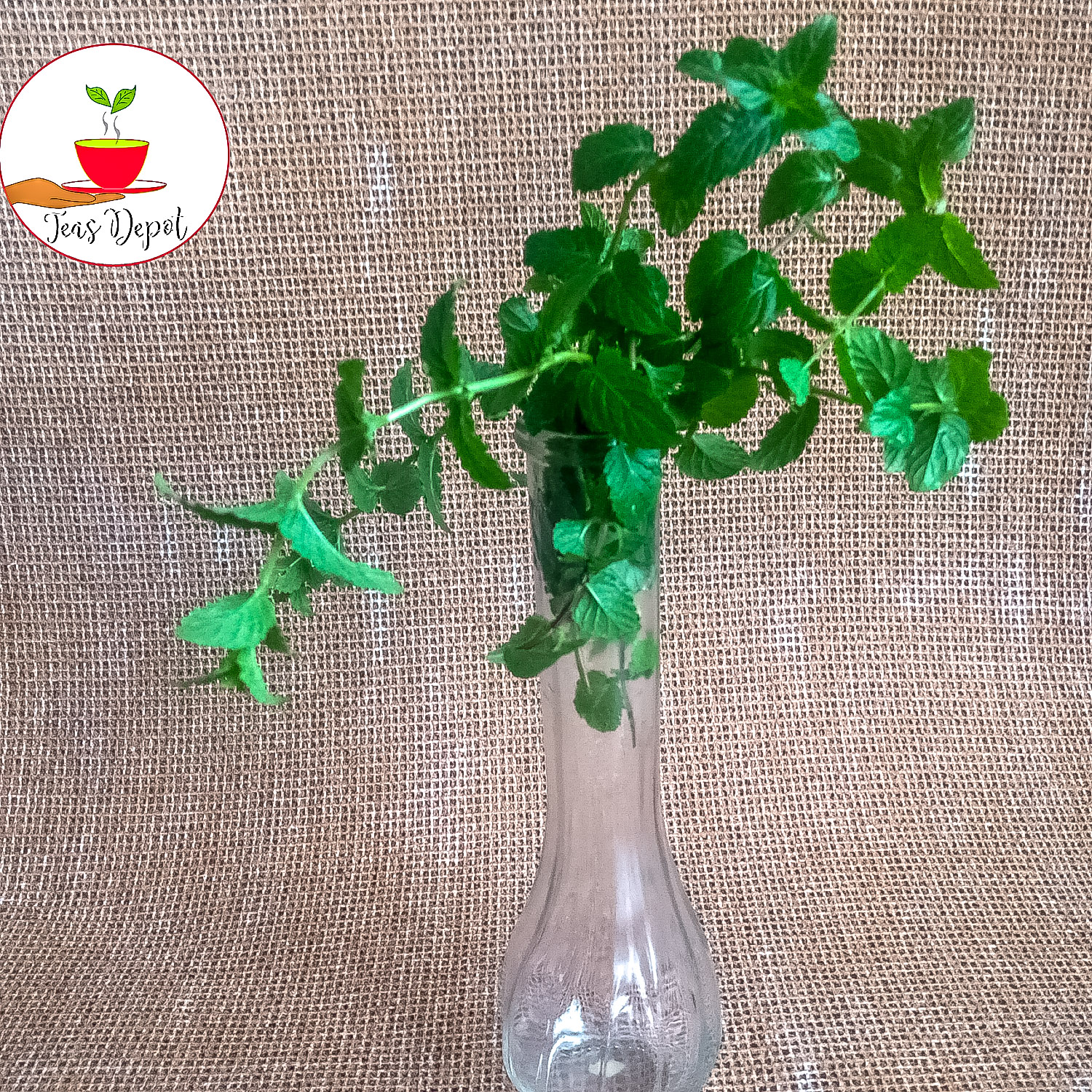
Peppermint tea(Mentha Piperita) contains essential oils, phenolic compounds, rosamaric acids, flavonoids, Ligans, stilbenes vitamins, and minerals. its essential oils are mainly menthol and menthone .These essential oils contributed greatly to it therapeutic properties,
peppermint have also shown various antibacterial, antioxidant, anti-viral, and anti-inflammatory properties.
Drinking peppermint tea can be effective in treating symptoms of the gastrointestinal disorder and can serve as a home remedy to stimulate digestion, alleviate stomach pain, treat biliary disorders, dyspepsia, enteritis, flatulence, gastritis, gastric acidity, aerophagia, and intestinal colic. it helps to relieve toothache and gum diseases, reduces menstrual pain, boosts fertility, and the immune system.

Monday, July 20, 2020


 HIBISCUS TEA: Hibiscus sabdariffa(Hs, Roselle) from the family of Malvaceae is a flower that serves as a herbal drink and can be either hot or cold. the extracts of the hibiscus plant are antioxidant, antibacterial, anticholesterol which has good effects on the lipids, its anti-diabetic, antihypertensive.it also possesses nephron and hepatoprotective renal and diuretic effects.

Due to its chemical composition bioactive compounds of alkaloids, anthocyanin, quercetin, L-ascorbic acid, Beta carotene, Beta-sitosterol, citric acid, glucose, xylose, mannose, rhamnose, galactose, and arabinogalactans.
Studies have shown that drinking hibiscus tea lowers blood pressure and the LDL cholesterol in the body while increasing the HDL cholesterol thereby reducing your chances of having a heart disease

Contact Form

Name

Email *

Message *